

Academic Speakers
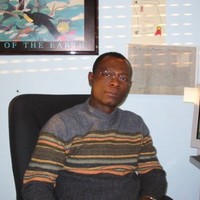 Boniface Kokoh
 Dr K. Boniface Kokoh received his PhD in applied catalysis from the Université de Poitiers (France) in 1991. He became Associate Professor in 1994 and Full Professor of Physical Chemistry in 2006. His research focuses on hydrogen production in solid polymer electrolyte water electrolysers, abiotic electrode design for hybrid (bio)fuel cells, CO₂ electroreduction to platform molecules, HER/HOR and ORR/OER in acidic and alkaline electrolytes, as well as nanomaterial synthesis and characterization.
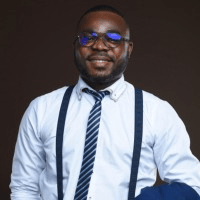 Prince Nana Amaniampong
Dr Prince Nana Amaniampong is a CNRS Researcher at the University of Poitiers. He received his PhD in heterogeneous oxidation catalysis from the Nanyang Technological University, Singapore and his habilitation à diriger des recherches (HDR) in 2023 at the University of Poitiers, France. His research focuses on the use of ultrasounds (either high or low frequencies) as an alternative unconventional activation tools in assisting catalytic reactions that are generally considered sluggish and challenging. His expertise covers the catalytic conversion of bio-based substrates into industrially relevant platform and commodity chemicals.
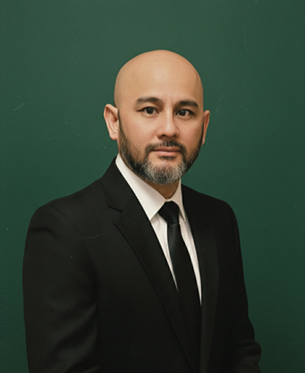 Adam Duong
Adam Duong is a Professor at the University of Picardie Jules Verne (UPJV, France) and Junior Professor Chair at LG2A laboratory. He works on functional materials for energy, health, and environmental applications, with a focus on green chemistry and photocatalysis. He completed postdoctoral work with Prof. Omar M. Yaghi, Nobel Laureate 2025, contributing to the development of advanced porous materials.
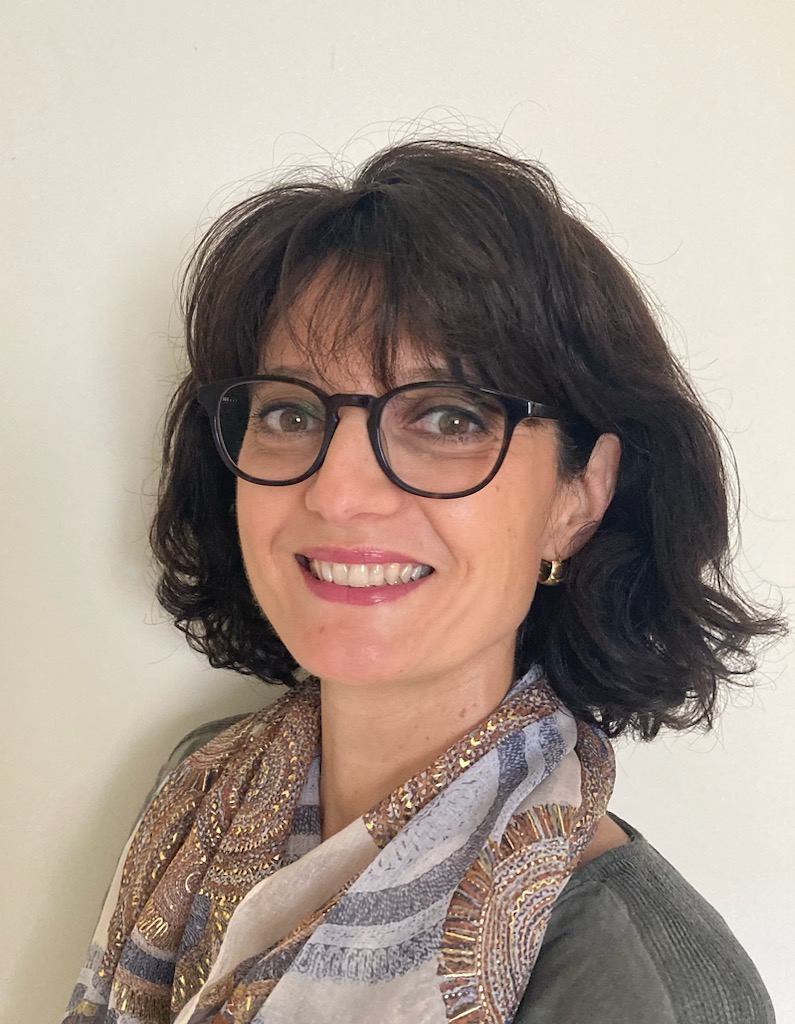 Catherine Especel
Dr C. Especel received her PhD in applied catalysis from the Université de Poitiers (France) in 1997. She became Associate Professor in 1998 and Full Professor in 2019. Her research focuses on metallic and bifunctional heterogeneous catalysis for fine chemistry (selective hydrogenations), energy (catalytic reforming, selective opening of naphthenic cycles, gas natural valorization by dehydrogenation), and biomass valorization (selective hydrogenations and hydrogenolysis, hydrodeoxygenation).
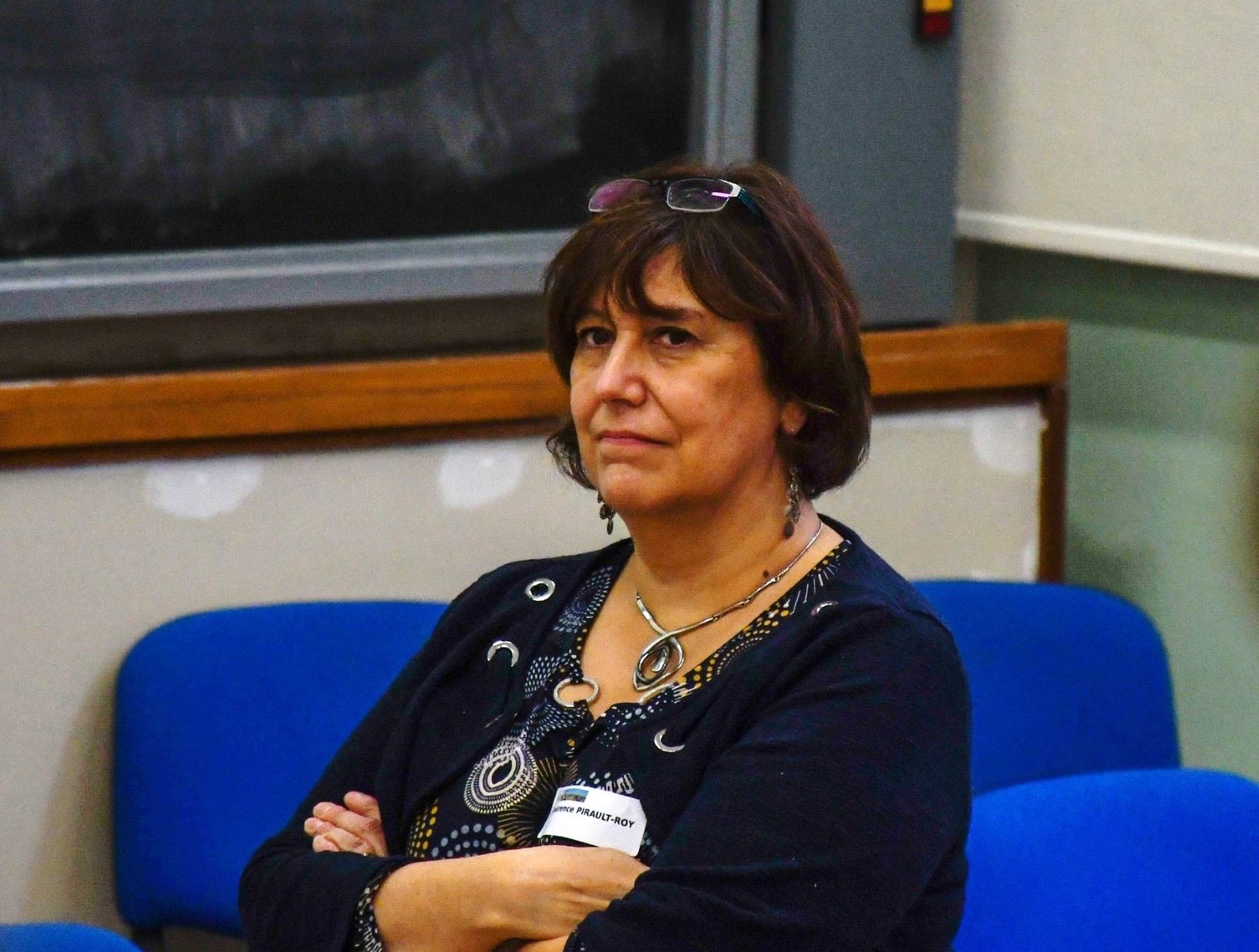 Laurence Pirault-Roy
After completing a PhD in heterogeneous catalysis, Dr. Laurence Pirault-Roy was appointed Associate Professor in 1996 and later promoted to Full Professor in 2011 at the University of Poitiers, France. Within the IC2MP laboratory, her research focuses on heterogeneous catalysis, particularly metal-based catalysis, including the synthesis and characterization of nanomaterials and the evaluation of their catalytic performances for applications in environmental science, fine chemicals, and energy.
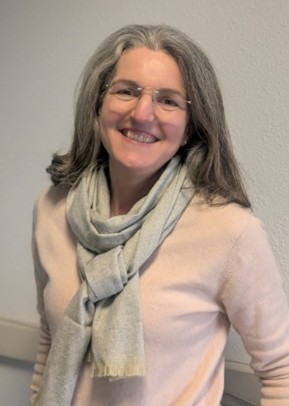 Elodie Fourré
Elodie Fourré is a CNRS researcher at IC2MP (Poitiers, France) since 2009. She obtained her PhD in 2006 from Cardiff University (Wales, UK) in the fields of heterogeneous catalysis and surface science. Today, her research focuses on non-thermal plasma-catalysis processes at atmospheric pressure, with particular emphasis on plasma - surface interactions. She combines mechanistic studies and reactor development to better understand chemical reactivity at the plasma -catalyst interfaces. Her fields of research have evolved over the years from air depollution, to surface functionalization and more recently concentrate on and small-molecule activation (CO₂, CH₄).
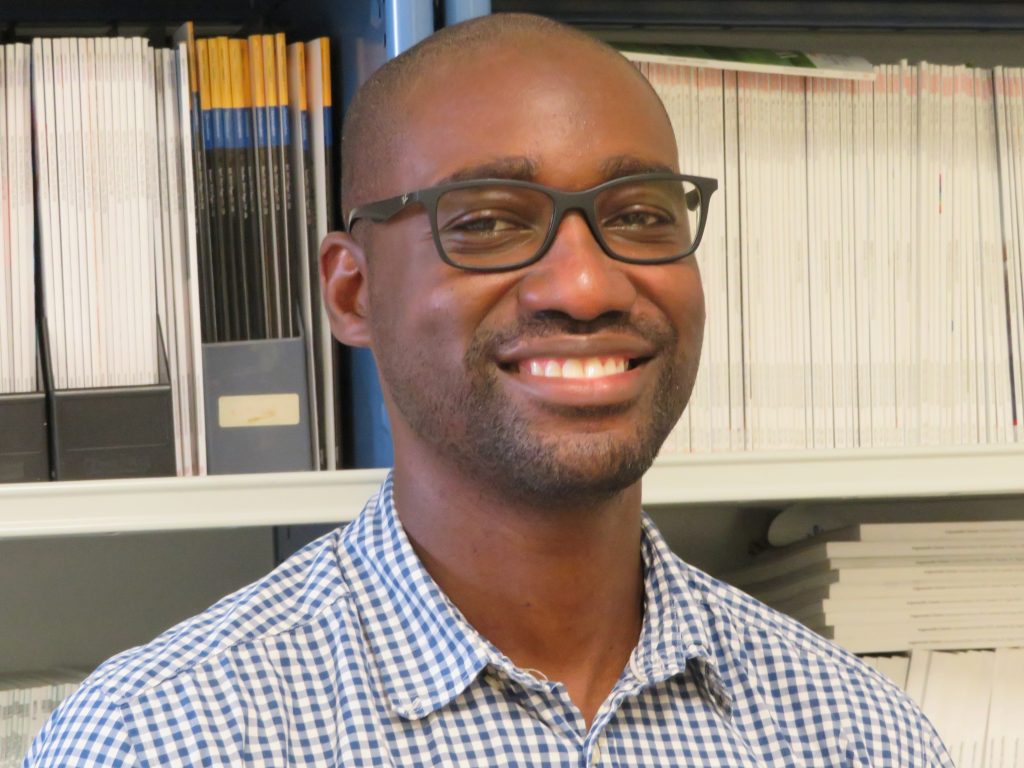 Dodzi Zigah
Pr Dodzi Zigah is Full Professor at the University of Poitiers since September 2021 and a member of IC2MP. His current research focuses on photocatalysis and photoelectrocatalysis for sustainable energy applications. He previously served as Associate Professor at the University of Bordeaux within the ISM, where he developed research on scanning electrochemical microscopy and bipolar electrochemistry for the preparation and characterization of hybrid materials dedicated to photoelectrocatalysis. He received his PhD in 2009 from the University of Rennes, working on surface analysis by scanning electrochemical microscopy, and subsequently carried out a postdoctoral fellowship at The University of Texas at Austin, focusing on photoelectrocatalysis.
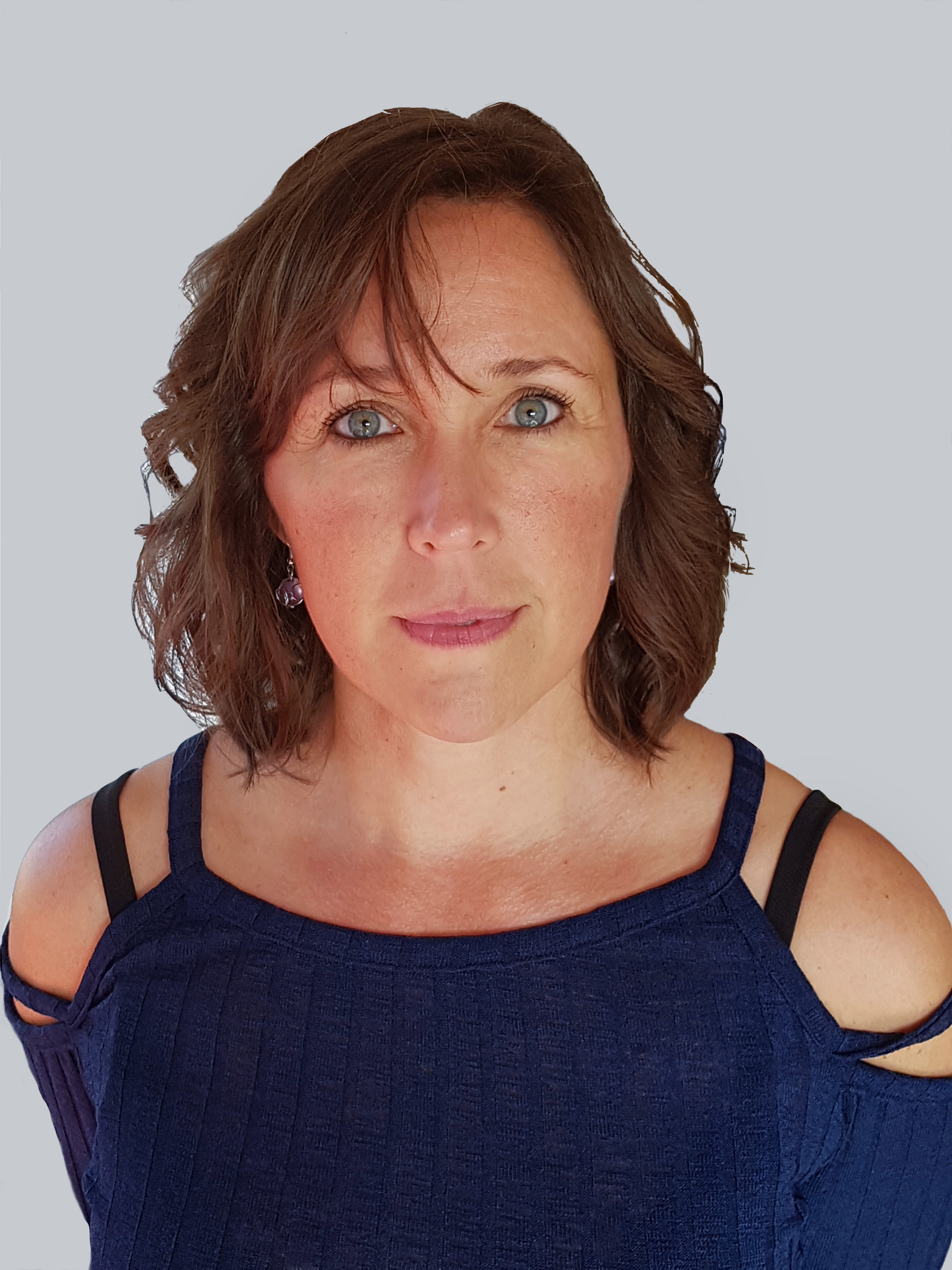 Gwendoline Lafaye
Dr. Gwendoline Lafaye obtained her PhD in Chemistry in 2002. She then spent two years as a Postdoctoral Researcher in the Department of Chemical Engineering at the University of South Carolina, USA, before returning to the University of Poitiers as an Associate Professor. Her expertise covers heterogeneous catalysis, environmental catalysis, and catalysis for fine chemicals. She has extensive experience in the preparation and characterization of supported mono- and multimetallic catalysts, as well as in the catalytic removal of pollutants from aqueous solutions. In addition, she is skilled in catalytic hydrogenation processes for fine chemical synthesis.
 Jean-Pierre Bazureau
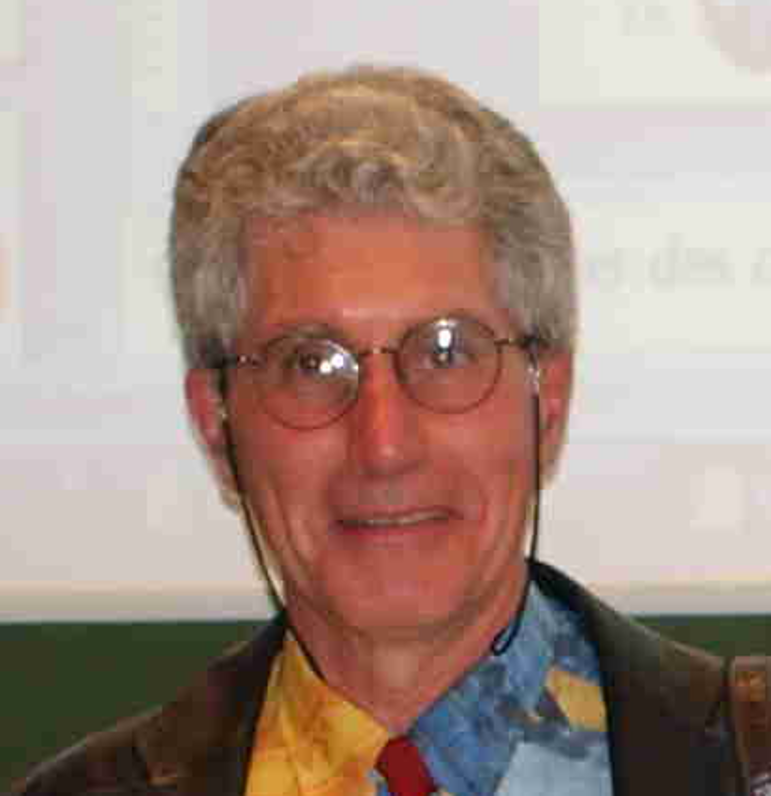
Dr. Jean-Pierre Bazureau received his PhD in heterocyclic organic synthesis (multistep processes) from the University of Rennes 1 (France) in 1987. He then worked in industry from 1987 to 1991 as an R&D process chemical engineer in international groups before joining the University of Rennes 1 as an Associate Professor in October 1991. He was promoted to Full Professor in 2002.
At the beginning of his academic career, his research focused on the use of microwave activation in heterocyclic chemistry, developing new methodologies as well as processes for cosmetic products and industrial intermediates. He also explored homogeneous catalysis using ionic liquids as novel solvents or as Brønsted acid catalysts in polymer chemistry, and as tools for ionic liquid phase combinatorial chemistry with several industrial applications.
Since 2006, his research has been oriented toward medicinal chemistry, particularly the development of protein kinase inhibitors and calcium signaling modulators. These compounds are investigated for potential medical applications including Alzheimer’s disease, pancreatic cancer, acute pancreatitis, and Crohn’s disease, often in collaboration with biotechnology companies. Microwave-assisted approaches are used to reduce reaction times and improve synthetic efficiency.
-
Sébastien Laforge
Industrial Speakers
-
-
BioseDev – start-up (Florent Boissou et Julien Souquet-Grumey)
-
